
Introduction: Discovering the Beauty of a Cultural Tradition
For many people around the world, collecting cultural art and traditional items is more than just a hobby—it is a way to explore history, creativity, and the stories of different communities. One of the most colorful and meaningful traditions that has inspired collectors is the Mexican celebration known as Day of the Dead. Known in Spanish as Día de los Muertos, this annual event honors loved ones who have passed away while celebrating the continuity of life, memory, and family.
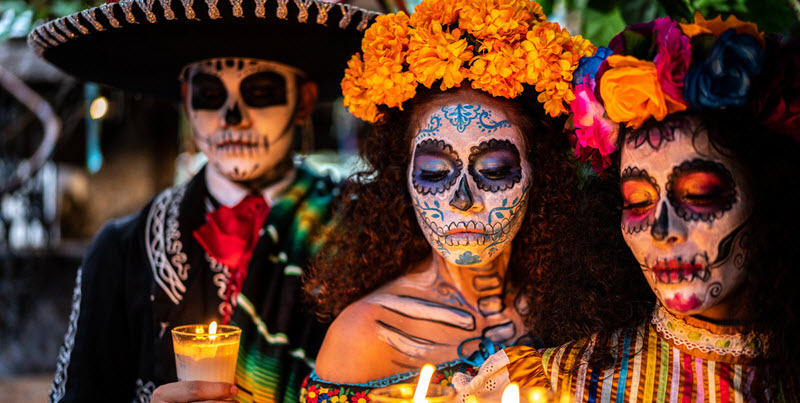
Unlike many traditions associated with mourning, the Day of the Dead is vibrant, joyful, and deeply artistic. Streets and homes are decorated with bright flowers, painted skulls, candles, and symbolic objects that represent remembrance and love. Because of its rich symbolism and distinctive visual style, this celebration has inspired a global interest in collectible items such as handcrafted skulls, folk art figurines, traditional masks, and decorative altars.
For beginners who want to start collecting Day of Dead items, the journey begins with understanding the cultural meaning behind these objects. Learning about the history, symbolism, and artistic traditions connected to the celebration can transform collecting from a simple purchase into a meaningful cultural exploration.
Understanding the Origins of the Day of the Dead
Before building a collection, it is important to understand the historical roots of the Day of the Dead tradition. The celebration dates back thousands of years and blends Indigenous Mexican beliefs with influences introduced during the colonial period.
Many historians trace the origins of the tradition to ancient Mesoamerican cultures such as the Aztecs. These civilizations believed that death was not an end but part of a continuous journey. They held ceremonies to honor ancestors and believed that the spirits of the deceased could return to visit the living during special times of the year.
When Spanish colonization brought Catholic traditions to Mexico, Indigenous practices blended with Christian observances like All Saints’ Day and All Souls’ Day. Over time, these traditions merged into the modern Day of the Dead celebration that takes place every year on November 1st and November 2nd.
Understanding this cultural background is essential for collectors because many Day of the Dead objects are deeply symbolic. They are not simply decorative items but expressions of memory, respect, and spiritual connection.
Recognizing the Symbolism Behind Day of the Dead Art
One of the most distinctive aspects of Day of the Dead art is its use of powerful symbolism. Many of the objects associated with the celebration represent different aspects of life, death, and remembrance.
Perhaps the most famous symbol is the decorated skull, often called a sugar skull. These colorful skulls represent departed loved ones and are typically decorated with bright patterns, flowers, and names written across the forehead. Although the skull may appear dark or mysterious in other contexts, within Day of the Dead culture it symbolizes acceptance of mortality and celebration of life.
Another important symbol is the marigold flower, often known as the “flower of the dead.” Its bright orange color and strong fragrance are believed to help guide spirits back to the world of the living during the celebration. Marigold petals are frequently used to decorate altars and pathways.
Candles, photographs, traditional foods, and handcrafted decorations are also placed on altars known as ofrendas. These offerings welcome the spirits of loved ones and celebrate their lives through memory and tradition.
For collectors, recognizing these symbols helps create a deeper appreciation for each piece. A decorative skull, a painted figurine, or a handcrafted mask can all carry layers of cultural meaning.
Starting a Small and Meaningful Collection
Beginning a Day of the Dead collection does not require a large investment or extensive knowledge. In fact, many experienced collectors recommend starting slowly and focusing on items that hold personal interest or artistic appeal.
Handcrafted figurines are often a popular starting point for beginners. Many artisans create small sculptures depicting skeleton musicians, dancers, or everyday scenes. These figures reflect the playful spirit of the Day of the Dead, where skeletons are often shown celebrating life rather than symbolizing fear.
Another common collectible item is decorative skull art. These skulls can be made from ceramic, wood, clay, or glass and are often painted with intricate patterns. Each piece may represent a unique artistic style depending on the region or artisan who created it.
Printed artwork, masks, and small altar decorations are also accessible options for beginners. By choosing a few carefully selected pieces, collectors can begin to build a meaningful collection without feeling overwhelmed.
Over time, a collection may expand to include larger sculptures, traditional crafts, or historical pieces that represent different interpretations of the Day of the Dead theme.
Learning From Mexican Folk Art Traditions
One of the most rewarding aspects of collecting Day of the Dead art is discovering the diversity of Mexican folk art traditions. Mexico has a long history of regional craftsmanship, and many artists incorporate local materials, techniques, and cultural influences into their work.
For example, some artisans specialize in clay sculptures, while others create wooden carvings or papier-mâché figures. Each medium brings a different texture and artistic style to Day of the Dead imagery.
Collectors who take time to learn about these traditions gain a deeper appreciation for the craftsmanship behind each item. Instead of viewing objects as simple decorations, they begin to recognize them as expressions of artistic heritage passed down through generations.
Visiting cultural exhibitions, museums, or local art markets can provide valuable insights into the craftsmanship and storytelling behind these pieces.
Respecting Cultural Meaning While Collecting
As interest in Day of the Dead art grows globally, collectors should also approach the tradition with respect and cultural awareness. The celebration is not merely a decorative theme but a deeply meaningful cultural practice for many Mexican families.
Responsible collectors often make an effort to learn about the cultural significance of the items they purchase and support artisans who create authentic handmade pieces. Purchasing directly from artists or reputable cultural markets helps ensure that the craftsmanship and traditions behind the artwork are respected and preserved.
Understanding the difference between cultural appreciation and cultural appropriation is also important. Collecting with curiosity, respect, and education helps maintain the integrity of the tradition while allowing people from different backgrounds to learn from it.
Expanding Knowledge Through Books, Museums, and Festivals
For beginners who want to deepen their understanding of Day of the Dead culture, there are many opportunities to learn beyond collecting objects.
Books and documentaries exploring Mexican traditions can provide historical context and insight into the symbolism of the celebration. Museums often host exhibitions dedicated to Mexican folk art and Day of the Dead traditions, allowing visitors to see authentic artifacts and artistic interpretations.
Attending Day of the Dead festivals can also be an inspiring experience. Many cities around the world now host cultural events that feature traditional music, costumes, art displays, and community altars. Experiencing the celebration firsthand can help collectors understand the emotional and cultural significance behind the objects they collect.
These experiences transform collecting from a simple hobby into an ongoing cultural learning journey.
Creating a Personal Display or Home Altar
As a collection grows, many collectors enjoy creating small displays or personal altars in their homes. These displays often incorporate decorative skulls, figurines, candles, and photographs arranged in ways that reflect the traditional ofrenda style.
A personal display can celebrate the artistry of the collection while also honoring the spirit of remembrance associated with the Day of the Dead tradition. Some collectors even create seasonal displays each year around November, adding fresh flowers or new pieces to their arrangement.
This approach allows collectors to interact with their collection in a meaningful way rather than simply storing objects on shelves.
Conclusion: A Journey of Culture, Art, and Remembrance
Starting a Day of the Dead collection is not just about gathering decorative objects. It is an opportunity to explore one of the most vibrant cultural traditions in the world. The celebration of Day of the Dead represents a unique perspective on life, death, and memory that has inspired artists, families, and communities for generations.
For beginner collectors, learning about the history, symbolism, and artistic traditions behind Day of the Dead items is the most important first step. Each skull, figurine, or handcrafted decoration tells a story about culture, creativity, and remembrance.
By approaching the tradition with curiosity and respect, collectors can build meaningful collections that celebrate both artistic beauty and cultural heritage. Over time, the collection becomes more than a set of objects—it becomes a reflection of the stories, traditions, and memories that make the Day of the Dead such a powerful and inspiring celebration.













Leave a Reply