
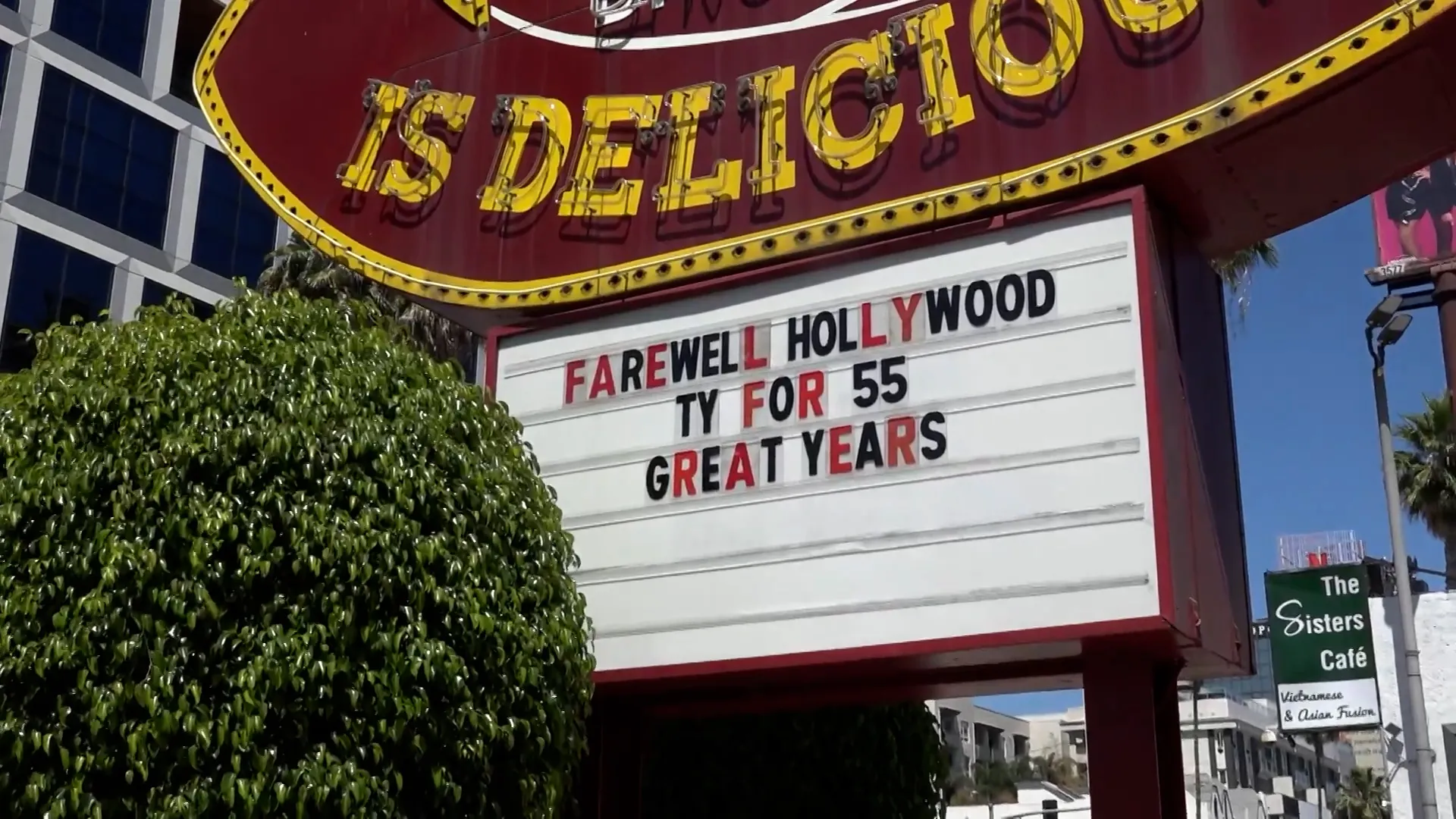
The Golden Era of Hollywood Fast Food
iconic hollywood fast food During the 20th century, particularly from the 1950s to the 1970s, Hollywood witnessed the rise of iconic fast food chains that would forever change the culinary landscape. This period, often referred to as the golden era of Hollywood fast food, marked a significant shift in dining culture as fast food establishments epitomized convenience and affordability, appealing to both locals and the influx of new residents drawn to the entertainment industry.
The emergence of iconic hollywood fast food chains like McDonald’s and Jack in the Box allowed people to eat quickly without sacrificing quality. These establishments became cultural hotspots not only for their food but also as gathering places for the Hollywood elite and everyday citizens alike. The allure of seeing a celebrity enjoying a classic burger or a shake made these restaurants even more popular, reinforcing the notion that fast food was part of the glamorous Hollywood lifestyle.
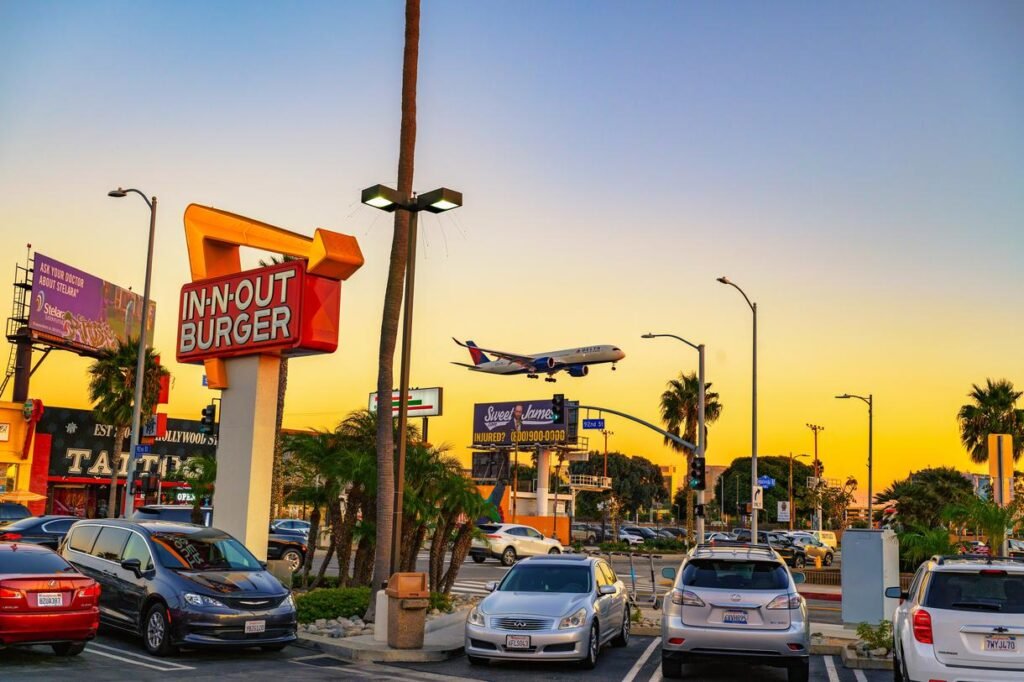
Several iconic Hollywood fast food restaurants emerged during this era, gaining recognition for their unique offerings and distinct atmospheres. For instance, In-N-Out Burger established a devoted following with its simple menu featuring fresh ingredients. This establishment quickly became synonymous with the California dining experience, garnering attention from both the local populace and visiting stars. Likewise, Pink’s Hot Dogs, known for its delicious frankfurters and celebrity clientele, became a staple on the Hollywood Boulevard, attracting long lines of eager customers.
These eateries not only provided quick meals but also contributed to the burgeoning fast food culture that would dominate the American landscape for decades to come. The intertwined relationship of fast food and Hollywood culture during this golden era set the stage for the diverse and widespread fast food landscape we see today.
Celebrities and Their Favorite Fast Food Joints
In Hollywood, fast food is not merely a convenient option; it is a cultural phenomenon that has attracted numerous celebrities over the years. Many stars have openly shared their preferences for iconic Hollywood fast food establishments, turning these eateries into legendary hangouts. A prime example is the late actor and cultural icon, Elvis Presley, who was known to frequent burger joints and highly sought their delicious offerings. His love for food, particularly for classics like cheeseburgers and fried chicken, echoed through his films and public appearances, effectively embedding fast food in the popular narrative of celebrity culture.
Another notable figure is Oprah Winfrey, who has often been candid about her fondness for french fries from popular fast food chains. She once famously declared her love for a certain national fast food chain, pointing out how its fries perfectly complemented her favorite late-night snacks. Such endorsements demonstrate the influence that stars wield over their fans, consequently leading to increased patronage at these iconic Hollywood fast food spots. In turn, this affects consumer trends, encouraging even more fast food chains to market themselves in ways that attract the attention of celebrities.
Furthermore, many young actors and actresses are often spotted at fast food locations, sharing their experiences on social media platforms. Instances of stars like Selena Gomez and Justin Bieber enjoying a casual burger have made headlines, showcasing how these casual meals play an essential role in their lives and resonate with their fanbases. As engagements with these iconic Hollywood fast food joints become public knowledge, it shapes how we view fast food as not just a meal, but a quintessential symbol of relatable indulgence within celebrity culture.
Culinary Innovations from Hollywood Fast Food
Hollywood fast food has long been a cultural beacon, reflecting societal changes, culinary trends, and innovative food concepts that have not only captivated local palates but also reached global audiences. As film stars roamed the streets of Tinseltown, their favorite dining spots began to innovate, leading to the emergence of menu items that would eventually become synonymous with American fast food.
One of the most notable innovations is the creation of the gourmet burger, which began to appear in Hollywood diners during the 1980s. Brands introduced techniques that elevated the humble hamburger to new heights, featuring premium ingredients such as artisanal buns, specialty cheeses, and exotic condiments. This culinary approach not only transformed the burger’s status but also inspired a nationwide burger craze that continues to thrive. The concept of mixing bold flavors and unique toppings, such as avocado and chipotle mayo, has set a trend that many fast food chains worldwide now emulate.
Moreover, Hollywood fast food has also been instrumental in popularizing vegetarian and vegan options, responding to an evolving palette and the growing demand for healthier alternatives. This shift reflects broader trends toward conscious eating and sustainable practices. Signature dishes like the plant-based burger have originated from Tinseltown, showcasing how fast food can adapt to contemporary dietary preferences without sacrificing flavor or satisfaction.
The impact of cinema on fast food cannot be understated; movie releases often coincide with the launch of limited-time menu items. For instance, themed offerings tied to blockbuster films have become a staple promotional strategy. These culinary innovations serve not just to delight the consumer but also to create a cultural moment, showing how intertwined the realms of food and film have become.
The Impact of Iconic Hollywood Fast Food on Pop Culture
The intersection between iconic Hollywood fast food and pop culture is a compelling study, as these iconic hollywood fast food establishments have transcended their role as simple dining options to become cultural touchstones within films and television shows. Recognized brands like McDonald’s and In-N-Out Burger have not only defined fast food experiences but have also been integrated into various narratives that resonate with audiences.
Numerous films have presented scenes centered around fast food, integrating these establishments into the storyline as symbols of youth, rebellion, or social gatherings. For instance, movies such as “Pulp Fiction” and “The Big Lebowski” feature scenes that romanticize the fast food experience, emphasizing the casual yet impactful role food plays in the lives of characters. Such portrayals allow these iconic Hollywood fast food brands to become synonymous with memorable moments, reinforcing their status in both cinema and consumer consciousness.
Additionally, marketing campaigns tied to Hollywood productions have further solidified this relationship. Collaborations between Hollywood fast food chains and blockbuster movies often result in special menu items, themed packaging, and promotional tie-ins that captivate audiences. This strategy not only enhances brand visibility, but also evokes nostalgia, making it likely that consumers associate the flavors of these restaurants with their favorite films and characters.
As a consequence, the visibility of fast food in these media forms has significantly influenced consumer behavior. The casual representation often enticing viewers to engage with those brands, reflecting a shift toward convenience and relatable dining experiences. Moreover, the sustained presence of iconic Hollywood fast food in popular culture contributes to an ever-evolving brand image, allowing these establishments to adapt while retaining their core identity.





Leave a Reply