
What is Application Mobile Dualmedia?
The term application mobile dualmedia refers to a type of mobile application that integrates two distinct media formats, typically audio and visual or interactive elements, creating a more engaging user experience. This innovative approach enables developers to blend traditional multimedia components, such as video, audio, and animations, with interactive functionalities that leverage touch and gesture controls inherent in mobile devices.
application mobile dualmedia Key features of application mobile dualmedia include its ability to deliver rich content in various formats seamlessly. For instance, users may engage with a narrative storytelling app that combines video clips with background music, while allowing them to make choices that affect story outcomes. This interactivity not only heightens user engagement but also facilitates deeper learning and retention of information, making it particularly significant in educational tools and gaming apps.
In the current mobile app landscape, application mobile dualmedia stands apart from traditional mobile applications. Traditional apps often focus on singular functions, whether purely informational or interactive, but dualmedia applications utilize the synergy of multiple media types to create a cohesive experience. For example, an e-learning platform might employ a dualmedia approach by combining video lectures with interactive quizzes that offer instant feedback, enhancing the learning process compared to conventional apps that may deliver content in only one format.
In essence, application mobile dualmedia represents a paradigm shift in mobile app design, focusing on immersive user experiences through the interplay of diverse media types. As technology evolves, these applications are set to become increasingly prevalent, shaping the future of mobile interaction.
Benefits of Using Application Mobile Dualmedia
The application mobile dualmedia presents numerous advantages that enhance both user engagement and developer efficiency. One of the primary benefits is the ability to create a seamless and interactive experience for users by integrating various multimedia forms such as audio, video, and text. For instance, educational applications that incorporate video tutorials alongside text-based resources allow users to choose their preferred learning style, thereby increasing comprehension and retention.
Moreover, application mobile dualmedia enables better accessibility across different devices. This characteristic ensures that users can access the same content and functionalities regardless of whether they are using a smartphone, tablet, or computer. A practical example of this can be seen in news applications that provide articles accompanied by audio summaries and video coverage. This allows users to access information in a manner that suits their situation – whether they are commuting, working out, or resting at home.
For developers, employing application mobile dualmedia can facilitate higher engagement metrics. Engaging users through various content forms keeps them on the platform longer and enhances the likelihood of interaction. For example, applications designed for social interaction that incorporate multimedia elements like live streaming and instant messaging not only boost user interaction but also foster a sense of community among users. This multi-faceted approach to design can significantly improve user satisfaction, resulting in positive reviews and increased app usage.
Overall, the application mobile dualmedia stands as a robust tool for enhancing user experience while providing developers with innovative opportunities to create rich, engaging applications that cater to diverse user needs.
Use Cases of Application Mobile Dualmedia
The application mobile dualmedia is presenting innovative horizons across various industries through its versatile use cases. Businesses, educators, and entertainers are increasingly adopting dual media applications to enrich customer experiences and streamline operations.
In the retail sector, companies are utilizing application mobile dualmedia to create interactive shopping experiences. For instance, IKEA has developed an app that allows customers to visualize furniture pieces in their homes through augmented reality. This not only enhances the buying process but also significantly improves customer engagement. Similar strategies are being employed by many retailers to bridge the gap between online and offline shopping by integrating media elements effectively.
Educational institutions have also harnessed the power of dual media applications to enhance learning. Platforms like Kahoot! use application mobile dualmedia to create interactive quizzes that students can engage with in real-time. This approach fosters a dynamic classroom environment and heightens student motivation, proving that dualmedia can be a powerful tool in education.
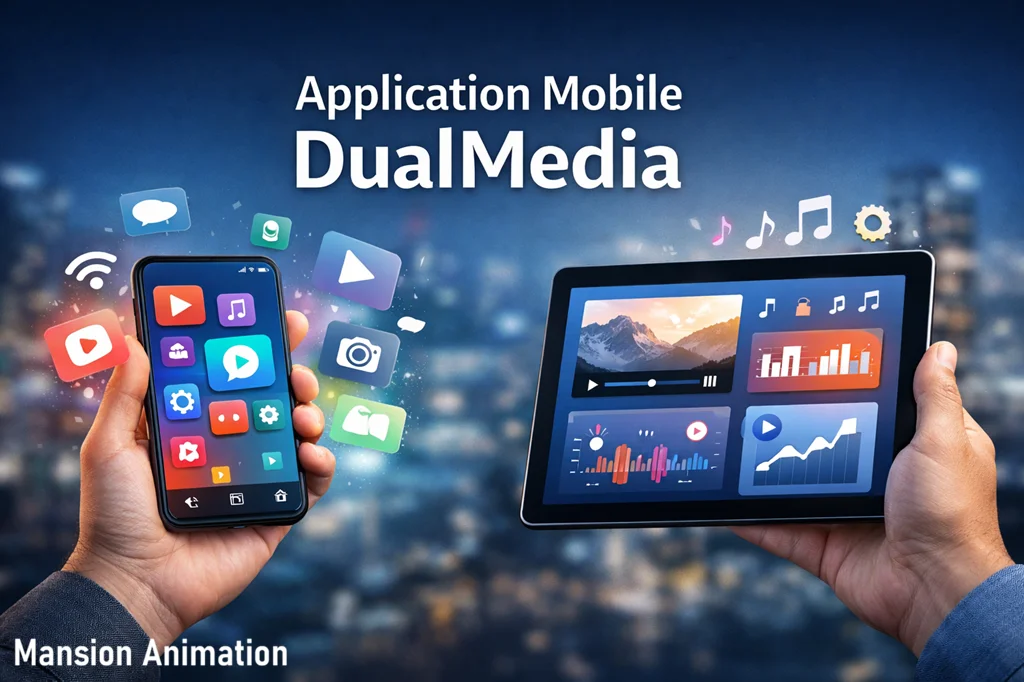
In the entertainment industry, dual media applications are reshaping how users consume content. Platforms such as Netflix utilize dualmedia capabilities to provide previews, interactive features, and supplemental information about movies directly within the app. Notably, the mobile game “Pokémon GO” blends the digital and physical worlds, allowing players to hunt for virtual creatures using their smartphones, engaging users in an immersive experience that traditional media cannot offer.
Across these sectors, application mobile dualmedia illustrates its adaptability and effectiveness, enabling businesses and educators to communicate more effectively and entertain users in engaging ways. Each of these use cases highlights the transformative potential of dualmedia, paving the way for future innovations in mobile interactions.
Future Trends of Application Mobile Dualmedia
The future of application mobile dualmedia appears promising, propelled by rapid advancements in technology and shifting user expectations. As augmented reality (AR), virtual reality (VR), and artificial intelligence (AI) technologies evolve, their integration into dual media applications is likely to revolutionize user interaction. Enhanced functionalities will not only improve the experience but also increase engagement across various platforms.
One anticipated trend is the rise of enhanced immersive experiences driven by AR and VR. These technologies are set to redefine how users interact with mobile applications, offering a seamless blend of physical and digital environments. For instance, applications that utilize AR for real-time navigation or product visualization will become increasingly popular, enabling users to engage more deeply with their surroundings and seamlessly connect with digital content.
Furthermore, AI’s role in personalizing user experiences within application mobile dualmedia cannot be overstated. By analyzing user behavior and preferences, AI can suggest tailored content and features that improve overall satisfaction. This adaptability is expected to meet the dynamic expectations of users, who increasingly seek interactive and intuitive applications that anticipate their needs.
The market for application mobile dualmedia will also likely witness a shift towards more intuitive interfaces. With the growing emphasis on user experience design, applications will prioritize usability and accessibility, allowing users of all skill levels to navigate seamlessly. Developers will thus focus on creating user-friendly features that harness the capabilities of dual media technologies.
As consumer expectations continue to elevate, so will the competition among developers. Companies that stay ahead of the curve by embracing emerging technologies and fostering innovative applications will likely dominate the market. The ongoing investment in research and development will play a crucial role in shaping the future landscape of application mobile dualmedia, driving it toward greater connectivity and interaction.





Leave a Reply