

Understanding Tiny House Living
Tiny house living is an emerging lifestyle trend characterized by a significant downsizing of living space, typically in homes that measure less than 400 square feet. This minimalist lifestyle shifts the focus from material wealth to sustainable living and personal fulfillment. The tiny house movement originated in the United States in the early 2000s, driven by a growing disillusionment with consumerism, rising housing costs, and a desire for a more simplified way of life. Activists and advocates began promoting the benefits of smaller living spaces, leading to an increase in tiny house construction and community development.
The appeal of tiny house living lies in its numerous advantages. One significant benefit is the financial savings associated with reduced housing expenses. Homeowners can save money on mortgage payments, utilities, and maintenance costs, allowing them to allocate their resources towards experiences rather than possessions. Additionally, living in a confined space encourages sustainability. With fewer resources needed to maintain a tiny house, the environmental impact is greatly diminished. Homeowners often utilize eco-friendly building materials, energy-efficient appliances, and innovative storage solutions to minimize waste and maximize efficiency.
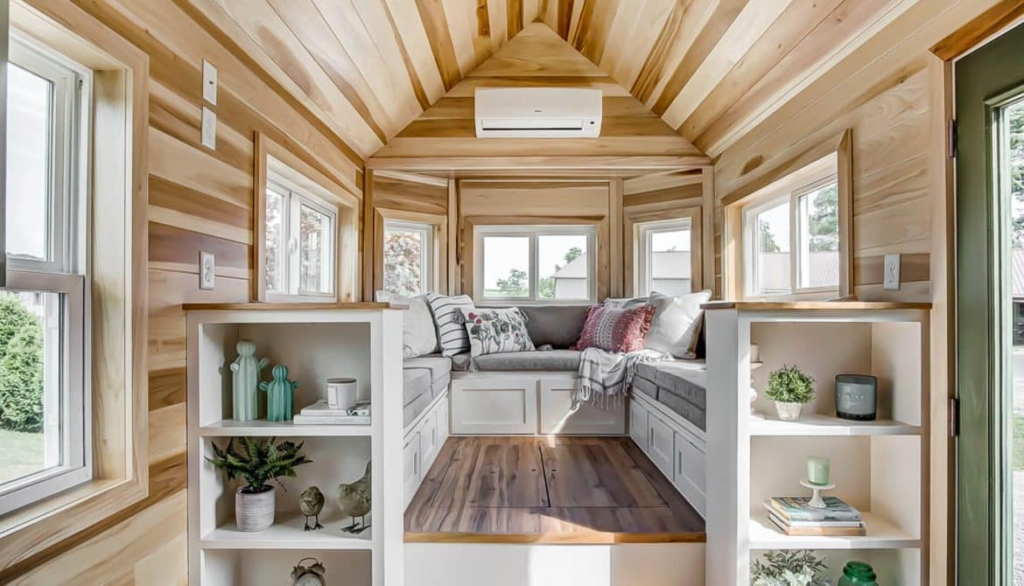
Moreover, embracing tiny house living can greatly enhance mental well-being. A smaller living space naturally leads to less clutter, which can reduce anxiety and stress levels. The act of decluttering promotes mindfulness and helps individuals reassess their needs and desires. This simpler way of life can foster a sense of community, as many tiny house dwellers live in purpose-built neighborhoods, sharing resources and support with like-minded individuals. Through these various aspects, tiny house living presents not merely a housing solution but a pathway towards a more meaningful, sustainable lifestyle.
Designing Your Tiny Space
Designing a tiny house necessitates a thoughtful approach to the utilization of space, ensuring that every square foot is optimized for functionality and comfort. One of the key aspects of tiny house living is the integration of multi-purpose furniture. For instance, a sofa that transforms into a bed or a dining table that doubles as a workspace can greatly enhance the versatility of a tiny home. Such furniture not only saves space but also caters to the diverse needs of its inhabitants.
Storage solutions are equally crucial in the design of a tiny house. Innovative ideas such as under-bed storage, wall-mounted shelving, and built-in cabinetry can significantly reduce clutter. Vertical space is often overlooked; utilizing tall shelves or ceiling racks can capitalize on unused areas, providing ample storage without compromising living space. Additionally, incorporating hidden storage within furniture, like ottomans or coffee tables, can help keep essential items within reach while maintaining a clean aesthetic.
The layout planning of a tiny house is vital to facilitate a harmonious living environment. Open-concept designs can create an illusion of space, as they allow for fluid movement between areas. It is advisable to strategically position functional zones—such as the kitchen, living area, and sleeping quarters—to maximize efficiency. This can be complemented with the use of light colors and strategic lighting to uplift and enhance the perceived space.
Customization plays a significant role in tiny house living, offering homeowners a chance to express their personal style while adhering to minimalistic principles. Whether through color choices, decorative elements, or unique architectural features, individuals can craft a space that resonates with their identity. Examples of successful tiny house designs, such as those featured in popular tiny home shows, illustrate that creativity and practicality can coexist, creating beautiful and functional spaces.
The Tiny House Community and Lifestyle
Tiny house living fosters a unique sense of community, as individuals and families often find themselves inhabiting close-knit environments that promote shared resources and mutual support. Many tiny house residents choose to live in designated tiny home communities, where they share amenities like laundry facilities, gardens, and communal spaces. This shared lifestyle not only enhances living experiences but also encourages social gatherings, allowing neighbors to collaborate on projects, celebrate milestones, and partake in community events.
In such communities, the dynamics of tiny house living create a network of support that can be invaluable. Residents often face challenges, such as the limited space available for personal belongings, which can sometimes lead to conflicts among neighbors. However, with open communication and mutual respect, these challenges can be navigated effectively, leading to strong, lasting relationships. Sharing experiences about downsizing, sustainable living practices, and home design can also serve as a great icebreaker for those new to the tiny house lifestyle.
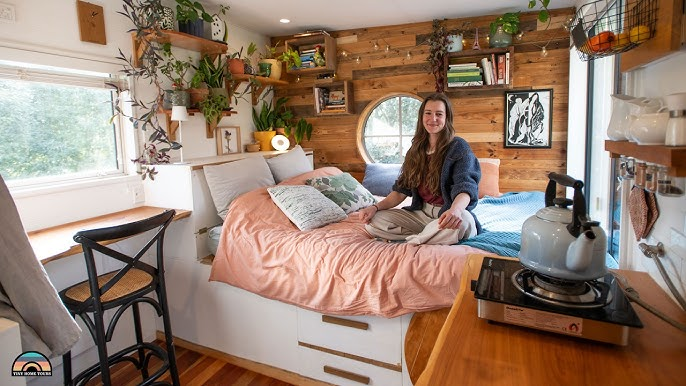
Moreover, tiny house living is inherently linked to sustainability, with many communities emphasizing eco-friendly practices. Residents typically engage in environmentally-conscious activities such as carpooling, community gardening, and recycling initiatives. By prioritizing sustainability, individuals can reduce their carbon footprint while fostering stronger connections with others who share similar values. This cooperative approach not only enhances the living experience but also contributes to a collective effort in preserving the environment.
Ultimately, the tiny house community exemplifies the principles of simplicity and togetherness. The blend of resource sharing and sustainability creates a fulfilling atmosphere that attracts like-minded individuals eager to embrace a more minimalistic lifestyle. As tiny house living continues to gain popularity, the growing network of tiny house communities serves as a testament to the profound impact of shared living and collective action on our modern society.
Taking the Leap: Moving into a Tiny House
Transitioning to tiny house living is an exciting yet significant change that requires thorough preparation. The first step involves decluttering your belongings. This process is vital, as moving to a smaller space means that you need to be selective about what you keep. Start by assessing your possessions; categorize them into items you need, want, and can live without. Often, people find that they can part with many items that no longer serve a purpose or hold intrinsic value, allowing for a smoother move into a tiny house.
Next, budgeting becomes a crucial factor. A tiny house living often entails lower mortgage or rental costs, but the initial investment can be substantial. Calculate your expenses including land acquisition and construction or renovation costs. Account for ongoing expenses such as utilities, maintenance, and insurance, which may differ from traditional housing. Preparing a detailed budget not only helps in financial planning but also reduces stress associated with the potential economic impact of tiny house living.
Understanding zoning laws and regulations is paramount, as they vary significantly depending on your location. Research local ordinances related to tiny houses, including requirements for square footage, waste management, and utilities. This often involves reaching out to local authorities or consulting with individuals who have navigated these legalities successfully.
As you embark on this journey, it’s important to acknowledge the emotional aspects of downsizing. Leaving behind the familiar comforts of conventional homes can be daunting; however, many who have transitioned into tiny house living report a heightened sense of freedom and connection to nature. Engaging with communities, both online and offline, can offer support. Learning from those who have made similar choices can also provide invaluable perspectives and tips that can facilitate a successful move into a tiny house lifestyle.






Leave a Reply