



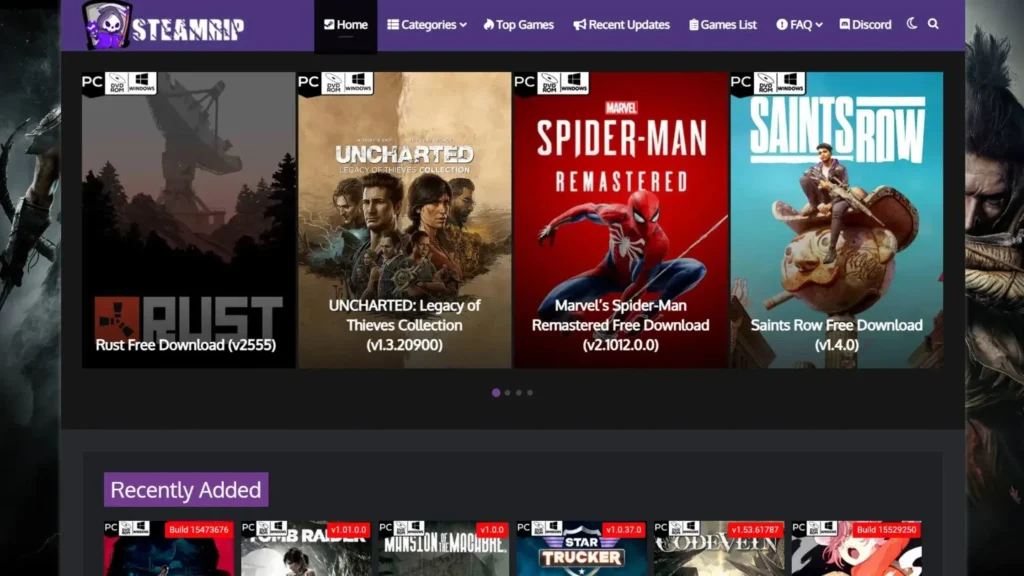
What is Steam Rip?
Steam Rip refers to the process of extracting and modifying game files from the Steam platform, primarily for the purposes of unauthorized distribution or personal use. This practice typically involves the use of software tools that enable users to access the core game data or modify assets without the permission of the original developers. Understanding Steam Rip requires a baseline awareness of its implications in the gaming community.
Within the realm of gaming, this term is controversial,steam rip as it raises significant questions regarding legality and ethical practices. While some individuals argue that modifying files for personal use, such as creating custom mods, falls under the umbrella of legitimate gaming, Steam Rip often overshoots this boundary. The essence of illegal Steam Rip is not merely about modification; it also encompasses creating copies of games for unauthorized redistribution. Such actions infringe upon the intellectual property rights of game developers, leading to disputes over ownership and access rights.
Legitimate modding practices, especially those that enhance gameplay experiences without infringing intellectual property rights, are generally accepted within the gaming community. Modders usually seek permission from the developers and may share their creations on platforms like Steam Workshop. However, the situation differs drastically when it comes to Steam Rip. This illicit activity undermines the financial model on which game developers rely, thus posing a threat to the sustainability of the gaming industry.
Moreover, understanding the ramifications of engaging in Steam Rip is crucial for both gamers and developers alike. While some may view it as an innocuous pastime, it can have significant consequences not only for individual users but for the broader gaming ecosystem. This balance of creativity and legality remains a contentious issue in the world of video gaming.
The Rise of Steam Rip in the Gaming Community
The phenomenon of Steam rip has emerged as a notable aspect of gaming culture, largely driven by the increasing accessibility and popularity of digital games. The evolution of digital distribution platforms, particularly Steam, has reshaped the marketplace for video games, resulting in an expanded audience and greater competitiveness among both developers and consumers.
As digital gaming became more mainstream, so too did the practice of Steam rip. This practice involved the extraction and sharing of game files without proper authorization, which raised significant ethical and legal concerns. However, it has also sparked considerable discussion regarding the boundaries of ownership and the value of creative content in the digital age. The gaming community’s response to these developments has been mixed, with some advocating for the accessibility that Steam rips provide and others urging respect for developers’ rights.
Furthermore, the modding community has played a critical role in the rise of Steam rip by enhancing game experiences through unofficial modifications, transforming the way players interact with their favorite titles. Modding tools and forums have facilitated the sharing of modified files, which sometimes intersect with the practices surrounding Steam rip. Players often look toward these rips and mods to unlock additional content, improve gameplay experiences, or merely to explore what is possible within a game without the financial commitment of purchasing it.
In the wake of these emerging trends, gaming companies have responded with varying degrees of strictness. Some have adopted more rigorous digital rights management strategies, while others have embraced the modding community, seeking to optimize user engagement. Overall, the complex landscape of Steam rip within the gaming community illustrates both the innovations and challenges that have accompanied the digital era of gaming.
Impacts of Steam Rip on Game Developers and Players
The phenomenon commonly referred to as “Steam Rip” has significant ramifications for both game developers and players within the gaming community. For developers, the rise in piracy associated with this practice can lead to substantial financial loss. These losses stem from potential customers opting to download pirated versions of the games instead of purchasing them legitimately. The immediate impact can be seen in reduced revenue, which in turn affects the capability of developers to invest in further game quality and innovation. On a larger scale, when piracy becomes pervasive, it may result in a decline in overall game diversity, as smaller developers struggle to compete within an environment where many products are easily accessible for free.
Moreover, the presence of pirated content can also degrade the perception of a game’s quality. Players who download unauthorized versions might experience performance issues, bugs, or lack of access to legitimate customer support and updates, thereby affecting the gaming experience negatively. Such outcomes can create a vicious cycle: poor experiences with pirated content can lead to a lower overall appreciation for the original game titles, resulting in fewer sales.
On the other side, players who engage with Steam Rip can benefit from accessing modified content that may not be available through official channels. This can include fan-made enhancements or alterations that cater to preferences not addressed by the original developers. However, the ethical considerations are profound. Players often steam rip must grapple with the morality of engaging in piracy, facing potential legal ramifications and the ethical implications of undermining an industry that relies on funding to produce new and exciting content. To illustrate this impact, numerous case studies exist, showcasing both the decline in sales for certain franchises due to rampant piracy and instances where unique community-driven content has emerged from Steam Rip practices.
How to Navigate the Steam Rip Phenomenon Responsibly
The continuous evolution of digital gaming has led to the emergence of various practices, including the controversial phenomenon known as Steam Rip. It is essential for gamers to navigate this landscape with responsibility and ethical consideration. Engaging with game files obtained through Steam Rip can undermine the hard work of developers and disrupt the integrity of the gaming industry.
First and foremost, players should appreciate the importance of supporting game developers. Purchasing games legally not only compensates creators for their efforts but also contributes to future game development and innovation. Many developers rely on these revenues to fund their projects, and when players choose to use pirated versions instead, it can have detrimental effects on the gaming community as a whole.
Moreover, there are numerous legal alternatives for players who are interested in modding and customization. Many games provide tools or have active modding communities that allow players to create and share content ethically. This not only enhances the gaming experience but also fosters creativity while respecting the intellectual property of the original developers. Engaging with such communities can present a fulfilling avenue for expression without resorting to illegal downloads.
Players interested in enhancing their gaming experience should also keep an eye out for sales and discounts on legitimate platforms, which can make games more accessible. Furthermore, participating in official beta tests or demo periods allows gamers to preview content legally and contribute valuable feedback, supporting developers in refining their products.
Ultimately, navigating the Steam Rip phenomenon responsibly entails a commitment to ethical gaming practices. By supporting developers, exploring legal modding options, and purchasing games through legitimate means, players can enjoy their passion for gaming while fostering a healthy and innovative digital ecosystem.

