



Overview of the BYU Football Schedule
The BYU football schedule2026 is a critical part of the collegiate sports landscape, featuring a series of competitive games that showcase the talent and dedication of the players and coaching staff. Each season, BYU faces a variety of opponents, ranging from traditional rivals to up-and-coming teams from across the country. This diverse lineup is designed to challenge the team and prepare them for postseason play.
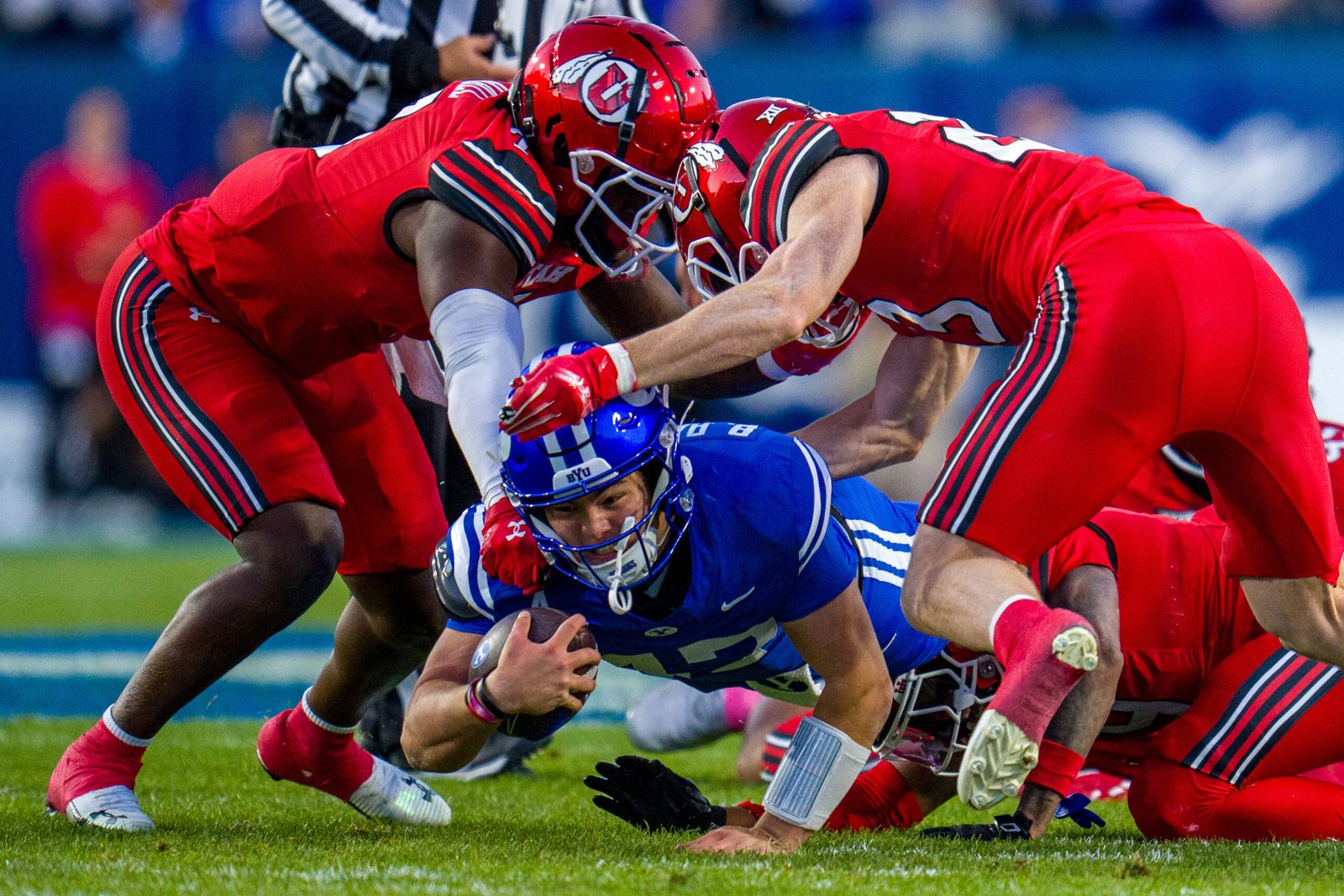
Typically, the BYU football schedule includes a mix of conference and non-conference games, allowing the team to strengthen its position in national rankings while also engaging rival programs. One of the highlights of the schedule is the annual matchup against Utah, a rivalry steeped in history and passion, which draws significant attention from fans and alumni alike. Other notable fixtures often include games against teams from the Pac-12, Mountain West, and independent programs, providing an exciting array of matchups.
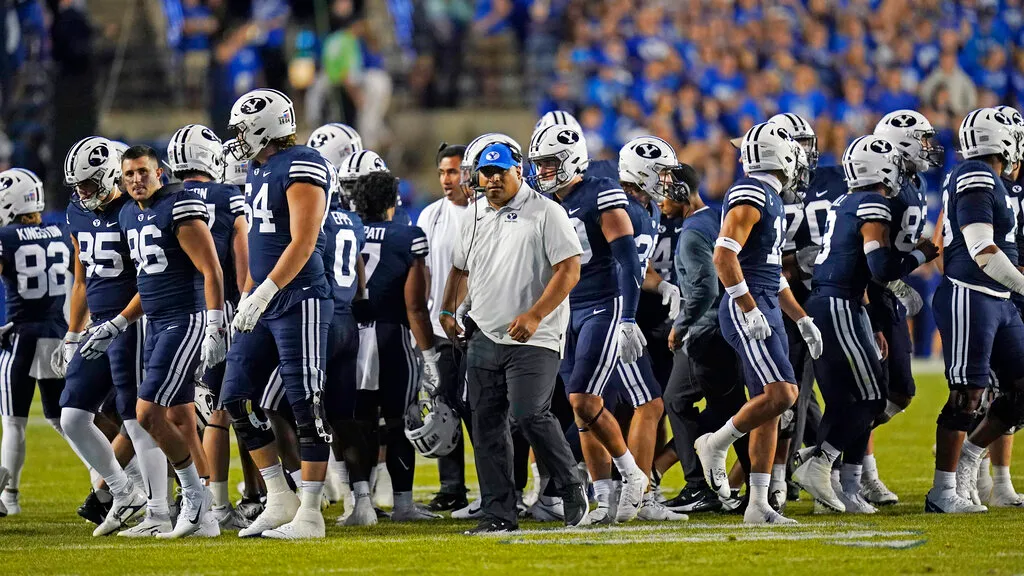
The structure of the BYU football schedule is determined by several factors, including the team’s commitment to facing high-caliber opponents and the desire to maintain a balance between challenging games and winnable fixtures. Fans often anticipate particular games due to their implications for postseason eligibility and bowl game invitations. Additionally, these matchups serve as opportunities for player development and recruiting, enhancing the overall prestige of the BYU football program.
In summary, the BYU football schedule not only emphasizes competition but also strengthens the team’s identity and fosters a sense of community among supporters. Each game carries significance that extends beyond the field, ultimately contributing to the legacy of BYU football.
Key Matchups to Watch
The BYU football schedule features several key matchups that are pivotal for the team’s performance in the season. Among these, games against traditional rivals such as the University of Utah and the University of Tennessee stand out. The rivalry with Utah, often referred to as the “Holy War,” draws significant attention each season. This game not only carries historical significance but also impacts both teams’ aspirations within their respective conferences.
Another critical matchup is against the University of Washington. Historically, BYU has faced formidable challenges from Washington, and this game promises to be a barometer for BYU’s competitiveness against ranked opponents. With Washington consistently being a contender in the Pac-12, the outcome of this game will likely influence BYU’s bowl game eligibility and overall standing in the national conversation.
Additionally, the matchup with the University of Arizona will be significant for BYU, particularly with the emergence of key players from both sides. Anticipation is high for standout performances from the BYU quarterback, who has shown remarkable growth over the past seasons, and Arizona’s defensive lineup, which has proven to be robust. Such matchups not only provide entertainment for fans but also present opportunities for players to make national statements and gain recognition.
As the BYU football schedule unfolds, it is crucial to monitor these games for their implications on team morale, rankings, and individual performances. The historical context of these confrontations combined with current season dynamics creates an engaging narrative for fans and analysts alike. Understanding these matchups enables a clearer perspective on the team’s goals and challenges ahead.
Impact of Home and Away Games
The locations of games, specifically home versus away contests, play a significant role in shaping the BYU football schedule and the overall performance of the team throughout the season. Home games, particularly at LaVell Edwards Stadium in Provo, provide distinct advantages that the Cougars leverage to enhance their chances of success on the field. The stadium’s environment, characterized by passionate local fans, creates an atmosphere conducive to higher performance levels that often translates into victories.
From the player’s perspective, the comfort of familiar surroundings minimizes the potential stress associated with competitive play. The team can practice in an environment they know well, which allows for better preparation leading into game day. Fans play a crucial role during these home matches; their support not only elevates player morale but also can instill a sense of confidence and urgency that galvanizes the squad against opponents.
Conversely, away games introduce a myriad of challenges that can impact the BYU football schedule adversely. Traveling to unfamiliar stadiums with different climates and fan dynamics can be taxing on athletes both mentally and physically. Potentially hostile environments, where opposing fans create significant noise or pressure, can disrupt the team’s focus and communication strategies. Additionally, extended travel can lead to fatigue, affecting preparation routines and ultimately performance quality on game day.
In summary, while home games at LaVell Edwards Stadium provide a set of advantages that boost team morale and performance, away games come with challenges that can affect how well the team executes their game plan. Understanding the varied impacts of home versus away games offers insights into how the BYU football schedule can be strategically optimized to maximize success.
Fan Engagement and Viewing Experiences
Engaging with the BYU football schedule can significantly enhance the experience for fans, offering multiple avenues to follow their favorite team. As the season progresses, supporters have numerous options to keep abreast of game schedules, player performances, and team news. One of the primary ways to engage is through the official BYU Athletics website, which provides up-to-date information on the games, including ticket sales, match timings, and locations.
For fans looking to immerse themselves further, purchasing tickets to live games is an excellent way to support the team. Attending games allows fans to be part of the electric atmosphere at LaVell Edwards Stadium, where they can witness the action unfold live. By acquiring tickets early, supporters can secure the best seats available, ensuring a memorable experience during crucial matchups.
In addition to attending the home games, fans have multiple options for viewing the BYU football schedule from afar. Many games are televised nationally, allowing a broad audience to experience the excitement. Local broadcasts and streaming services also provide access to games, with regular updates about scheduling and game day activities. Social media platforms like Twitter, Instagram, and Facebook play a critical role in fan engagement. Following BYU Football accounts on these platforms grants fans access to real-time scores, highlights, and interactions with fellow supporters.
The significance of fan support in boosting team spirit cannot be overstated. Teams often refer to their loyal fanbase as the ’12th man,’ demonstrating how collective enthusiasm can drive players to perform at their peak. Being part of a community that shares the passion for BYU football not only enhances individual experiences but also contributes to the overall energy and spirit of the team during the season.

